
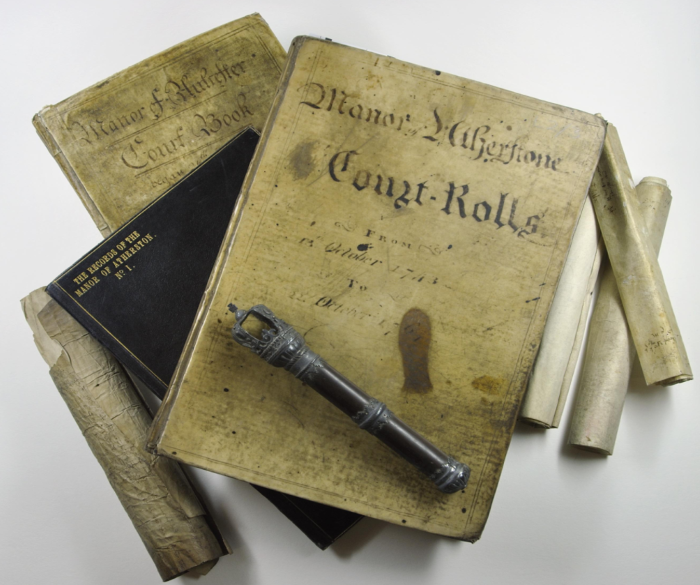
If your ancestors worked the land before the 1800s, there’s a good chance a manor court once recorded their names. They show up taking on a cottage, inheriting a strip of land, or being fined for letting their pigs stray. The hard part is working out where those manorial records survive today. That’s where the Manorial Documents Register comes in.
What is the MDR?
The Manorial Documents Register is kept by The National Archives on behalf of the Master of the Rolls. It records where surviving manorial documents are now held. It dates back to the 1920s, when the abolition of copyhold tenure made it vital to protect court rolls that served as proof of title. Today it’s free to search online through Discovery, and it covers every historic county in England and Wales.
Search tips
The register doesn’t hold the documents themselves. It tells you what survives and where, from big county record offices to private collections. You’ll find court rolls and court books, surveys, rentals, lists of tenants, maps, and surrenders and admissions. That last group is gold for family historians, because it records copyhold land passing from one tenant to the next, often from parent to child.
Start with the parish, not the manor. Manor and parish boundaries rarely matched, and one parish might contain several manors. For English places, search by parish to see every manor connected with your ancestors’ village. (Parish searching isn’t available for Wales, so search by manor or county there.)
Check before you travel. Each entry gives the repository and its catalogue reference, which is your key to ordering the document. Not everything listed is open for research, so contact the archive before you visit. If a result says “No records known to survive”, don’t give up: new collections are reported to the register as archives take them in.
Start exploring
Search the register here: Manorial Documents Register on Discovery. The National Archives also has a helpful guide to using the MDR.
Have manorial records helped you break through a brick wall? Perhaps you’ve found an ancestor admitted to a cottage, or fined at the manor court? Share your finds, tips and questions in the comments below. We’d love to hear your stories.